Recognizable signs that water is a problem
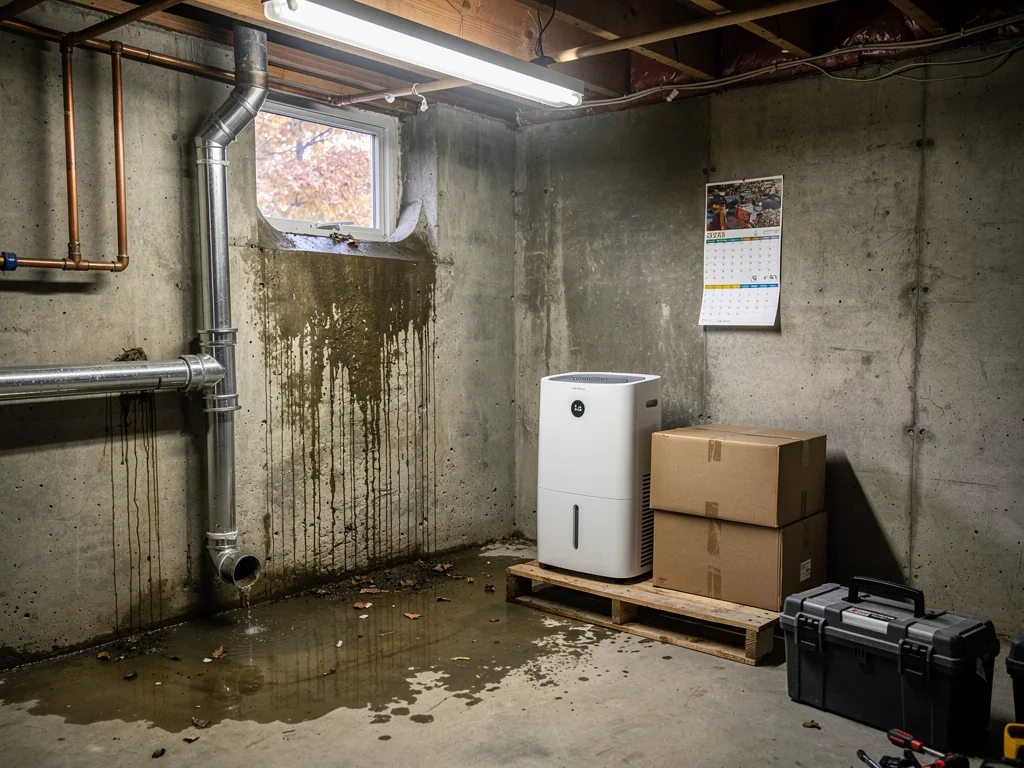
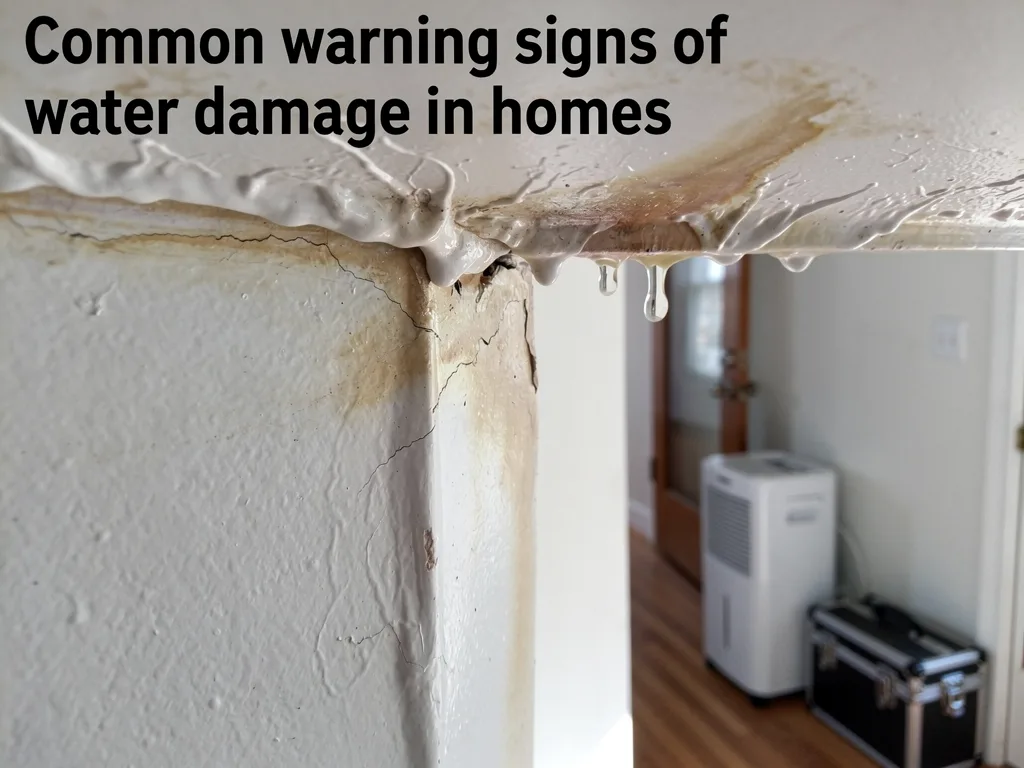
Water damage doesn’t always announce itself with a flood. In many homes across New Jersey you’ll notice small, persistent clues that point to a bigger issue. Look for higher humidity in rooms you don’t use often, a musty smell, or walls that feel soft or damp to the touch. Floors may show a slight squish underfoot, or paint and wallpaper that peel away without a clear cause. These signals are common in homes that have experienced slow leaks or moisture intrusion over time.
Our restoration specialists in New Jersey hear from homeowners who first notice discolored spots on ceilings or along baseboards. Metal fixtures may rust earlier than you expect, and sometimes you can see mineral deposits near windows or behind appliances. If you observe any of these clues, it’s a good idea to pause and assess the source rather than hoping it goes away on its own.
Why quick recognition matters
Water damage spreads quickly, especially in the humid climate found across New Jersey. What starts as a small stain can become a larger problem within days. The longer moisture sits, the more likely you are to see warped wood, swollen drywall, or mold growth behind walls. Our crew emphasizes early action because it limits secondary damage and keeps repairs more manageable.
Trying to gauge the extent from the surface can be misleading. A hidden leak behind cabinets or under a floor can intensify while you’re not looking. When in doubt, contact New Jersey Water Damage Services for a professional assessment. A quick visit from our restoration specialist can map out the scope of moisture and outline the next steps.
What to do if you spot signs
First, try to stop the source if safe to do so. If you’re not sure how to shut off a valve or control a leak, leave it and call for help. Remove or relocate small valuables from the area and avoid spreading moisture with unnecessary foot traffic. Ventilate the space with fans if you can do so safely, and keep an eye on humidity levels with a gauge if you have one.
Document the situation with photos for your records. A quick call to our restoration specialists can set up an in-home assessment and discuss moisture removal plans tailored to New Jersey homes. We tailor the approach to the type of structure and the level of exposure, so you’ll get clear, actionable guidance.
A simple action checklist
- Note damp spots and take photos
- Turn off water if you can do so safely
- Ventilate the area and limit access
- Schedule a professional assessment with New Jersey Water Damage Services