Know when DIY is appropriate
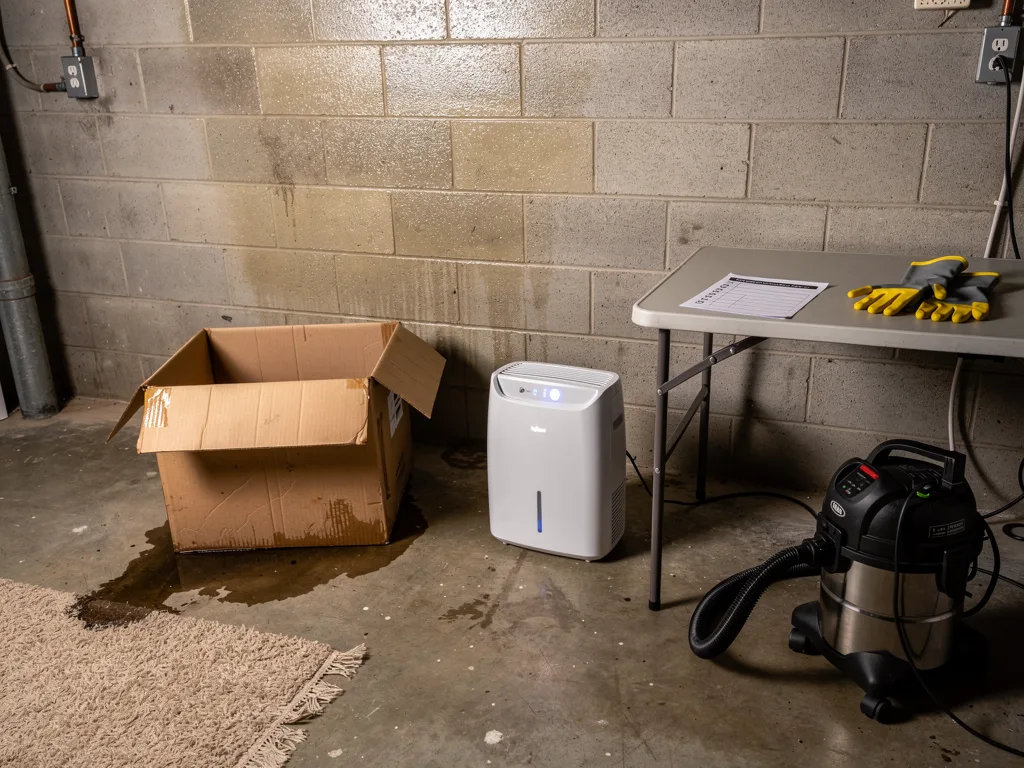
Some small, surface-level moisture issues in a New Jersey home can be addressed by a careful homeowner. If you notice a minor spill that’s contained within a short period, you might handle it with a towel, a fan, and a dehumidifier. The key is to keep the problem from spreading and to dry the area thoroughly. Our restoration specialists often see homeowners successfully manage limited moisture when they act fast and keep the space well ventilated.
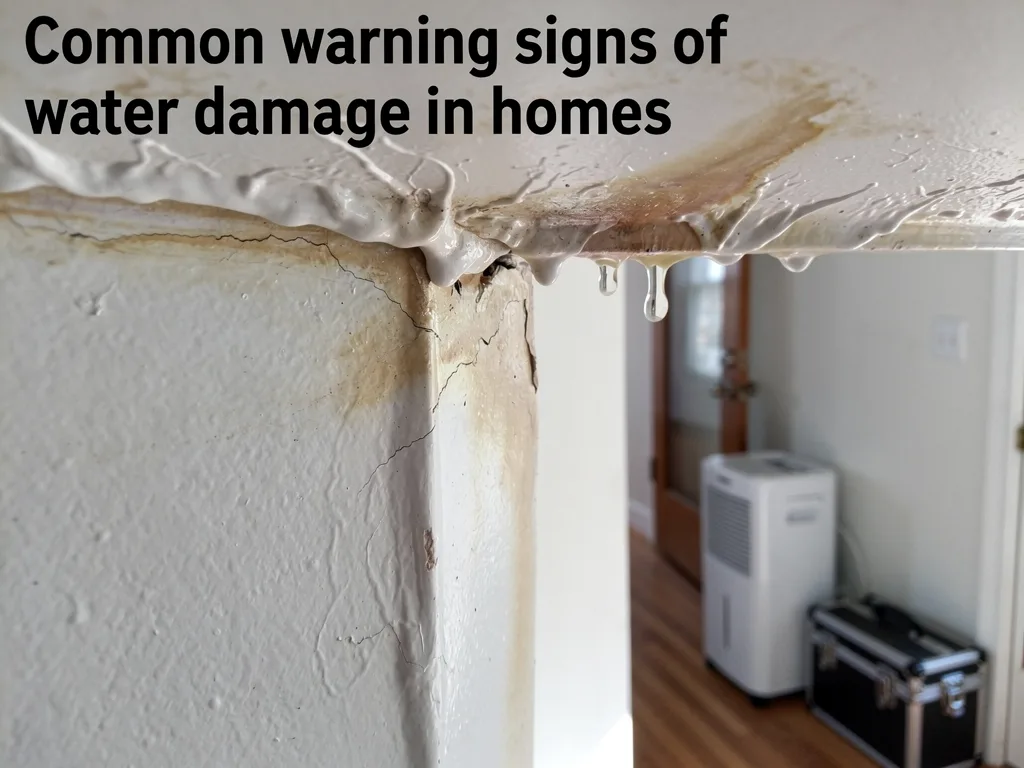
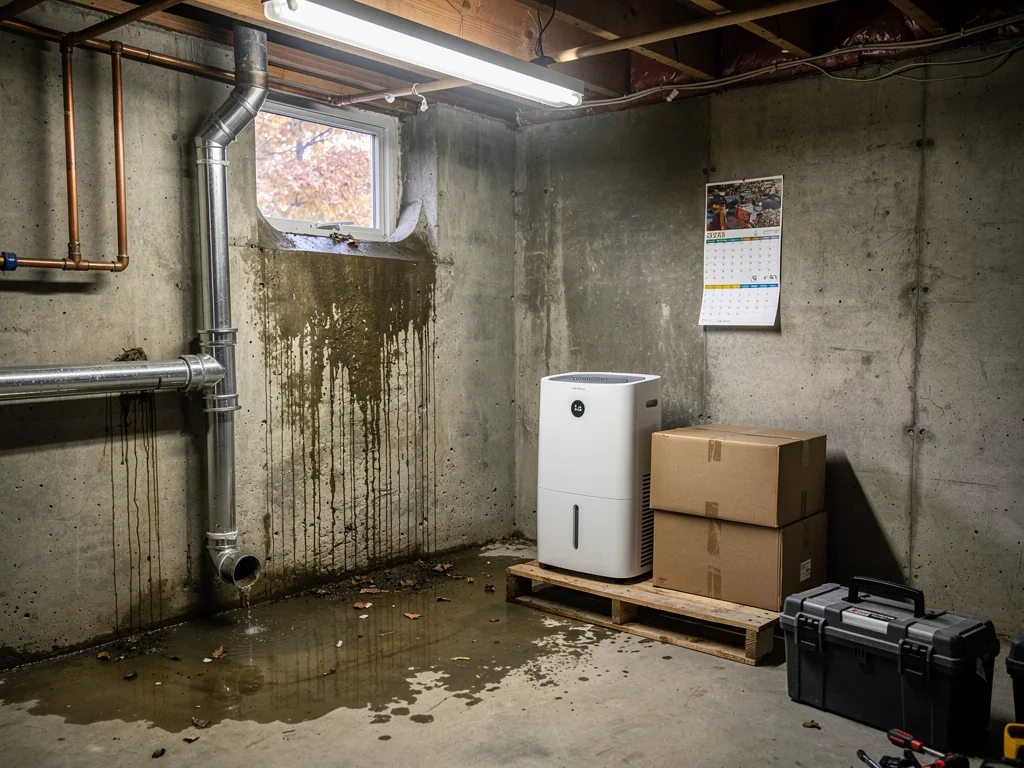
For persistent dampness that lingers after a cleanup, or when you’re dealing with higher humidity environments like basements or crawl spaces, it’s time to call a pro. Hidden moisture behind walls or under flooring can lead to ongoing damage or mold growth that isn’t visible from the surface. In New Jersey, where weather patterns vary across seasons, you’ll want a professional assessment to understand the full scope of moisture.
Scenes where a pro is almost always needed
If you notice staining that keeps reappearing, a musty odor that won’t go away, or sudden changes in the feel of a room, those are red flags. Our restoration specialists in New Jersey use moisture meters and infrared cameras to map out how far water has traveled. This helps prevent gaps in the remedy and ensures you’re not missing hidden pockets of moisture.
Electrical concerns, compromised structural components, and areas with repeated leaking are not situations to DIY. The combination of water plus electricity or fragile building materials creates risk for people and property. In such cases, a professional evaluation from New Jersey Water Damage Services provides a clear plan and ensures safety throughout the restoration process.
What to expect when you call
When our crew visits, we start with a thorough, on-site assessment. We identify the source, evaluate the extent of moisture, and determine the right sequence of steps. Our approach focuses on containment, dehumidification, and moisture removal so that disruption is minimized across your home in New Jersey.
We’ll explain the recommended actions in plain terms, outline a realistic timeline, and discuss what you can do to prepare. You’ll hear about equipment needs, protective measures for the space, and a straightforward plan that aligns with your home’s structure and your budget.
Decision guide
- Small, contained spills: DIY with quick cleanup and drying
- Persistent dampness after 24–48 hours: call a pro
- Visible growth, ongoing odor, or electrical concerns: call a pro immediately